

- MEDITERRANEAN YACHTING MAGAZINE
Back to previous page Language Italian Spanish
Baglietto FAST50, speed and volume reshape the fast yacht
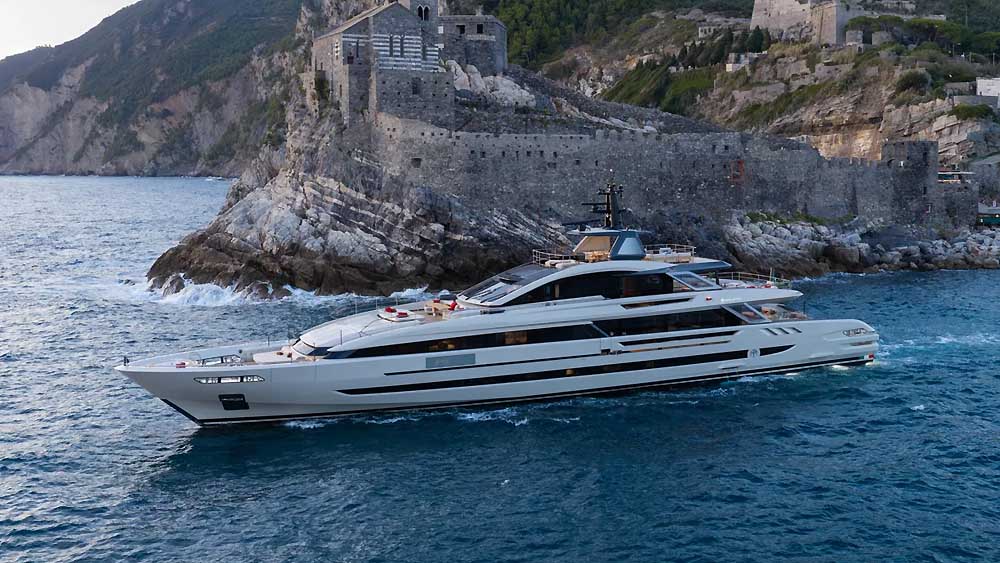
Baglietto FAST50 brings the fast yacht concept to 49.9 metres with generous volumes, a beach club and a stated 30-knot top speed
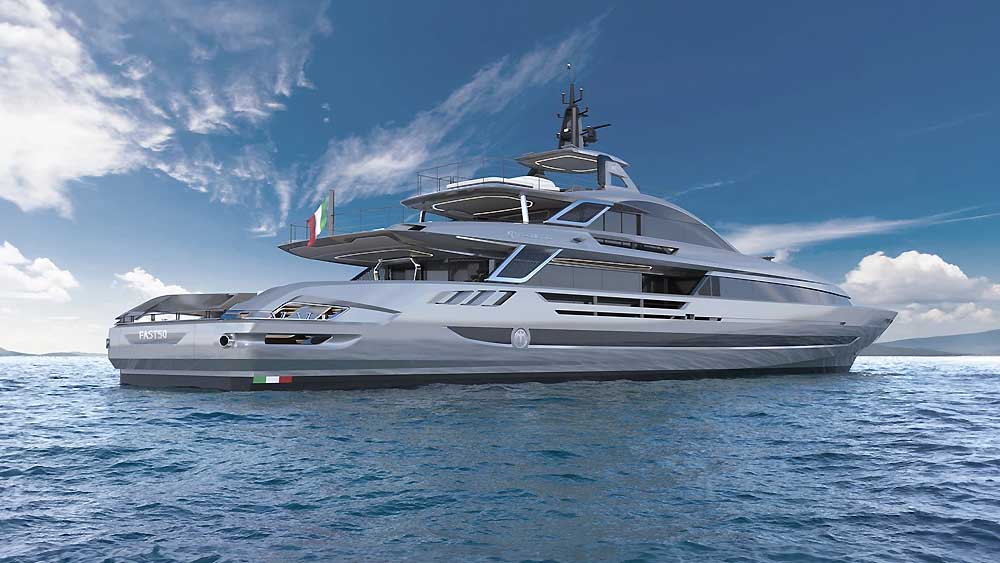
The Baglietto FAST50 combines 30 knots, nearly 500 GT and three decks in a contemporary reinterpretation of high-speed yachting
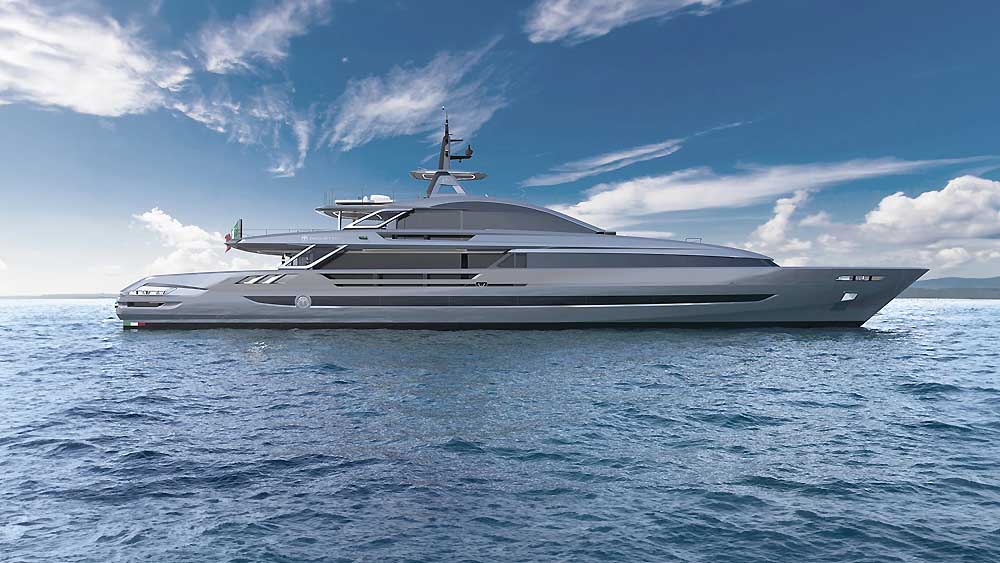
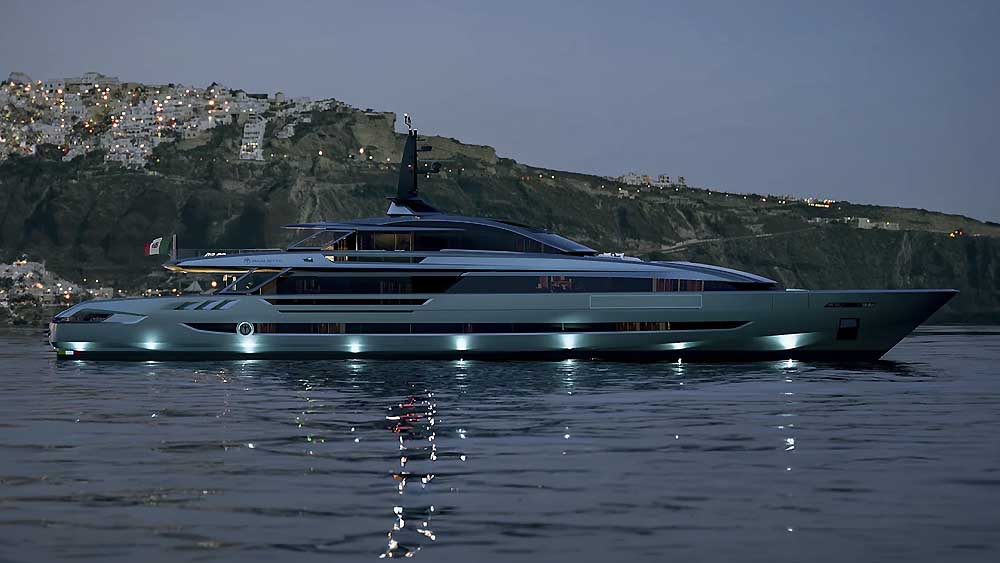
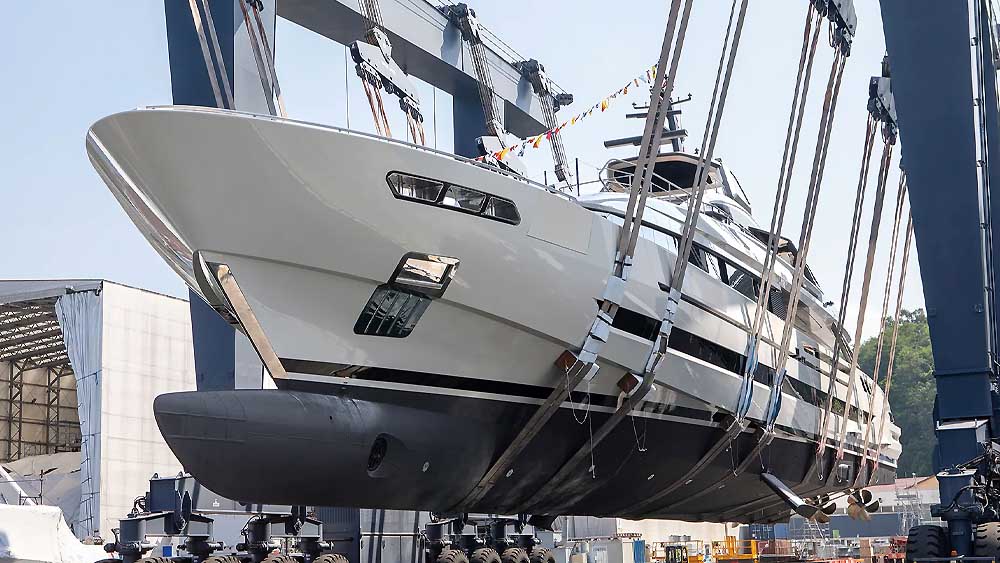
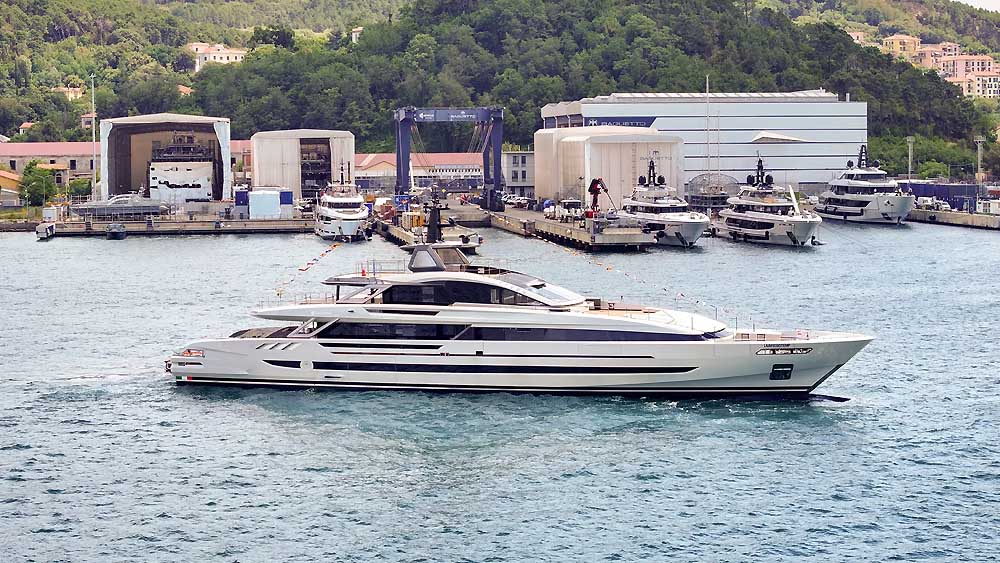
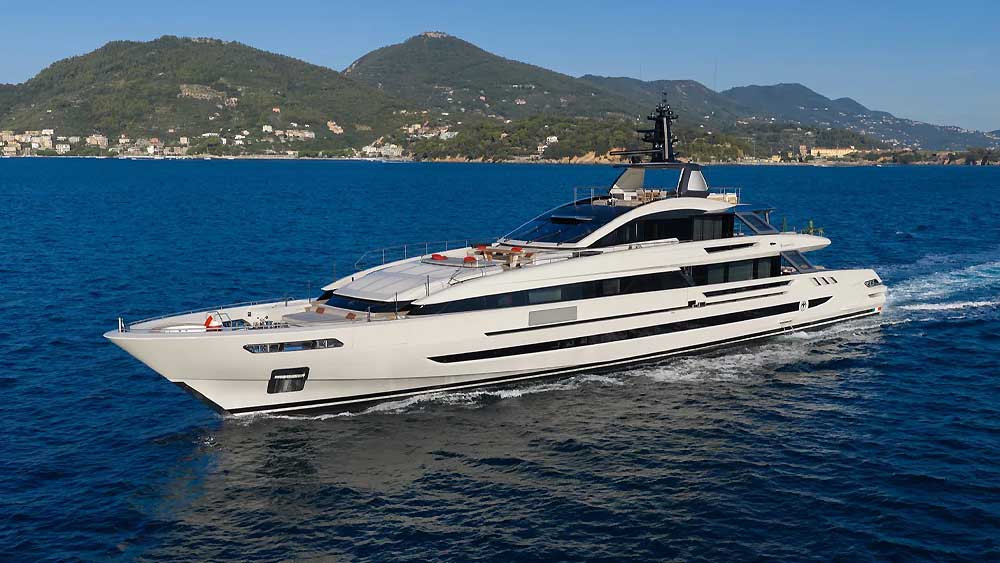
The Baglietto FAST50 starts with a precise design question: can a large high-speed yacht retain its performance character without sacrificing the volumes, outdoor areas and onboard living expected from a contemporary 50-metre yacht? The first unit in the new range responds with a length of 49.9 metres, 499 GT, aluminium construction, three full decks and a stated maximum speed of 30 knots.
Returning to Baglietto’s high-speed heritage
The FAST50 revisits an important part of Baglietto history, rooted in large fast aluminium yachts, while adapting that heritage to very different contemporary requirements.
The owner’s brief called for a reinterpretation of yachts such as Adler, Pachamama and Monokini on a modern platform. Exterior design is by Francesco Paszkowski Design, while naval architecture is by Pierluigi Ausonio Naval Architecture. The interiors were developed by Francesco Paszkowski Design in collaboration with Margherita Casprini.
Rather than simply reproducing the lines of earlier fast models, the project translates their character into a more complex architecture capable of accommodating three full decks and an internal volume close to the 500 GT threshold.
Four engines for a stated 30-knot maximum speed
Both hull and superstructure are built in aluminium. Propulsion comes from four MTU 16V2000 M96L engines, each rated at 2,600 hp.
According to the shipyard’s published figures, the FAST50 reaches a maximum speed of 30 knots and cruises at 24 knots. These are notable figures for a 49.9-metre yacht with a gross tonnage close to 500 GT.
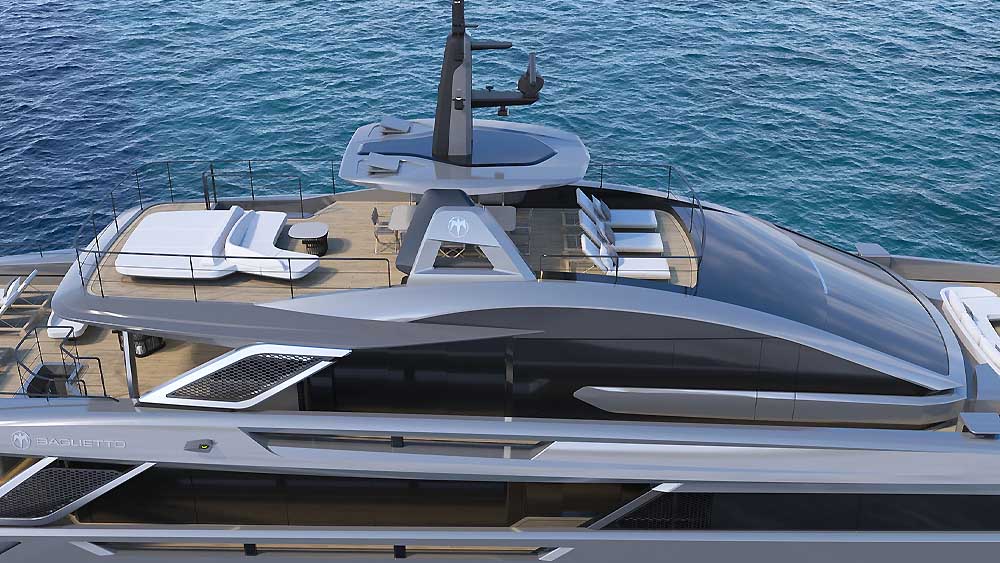
Speed, however, represents only part of the project. Weight management also influenced the selection of interior materials, with more restrained use of marble and natural stone and a preference for lighter alternatives. Even the exterior handrails are made from titanium.
Three full decks without abandoning a sporting profile
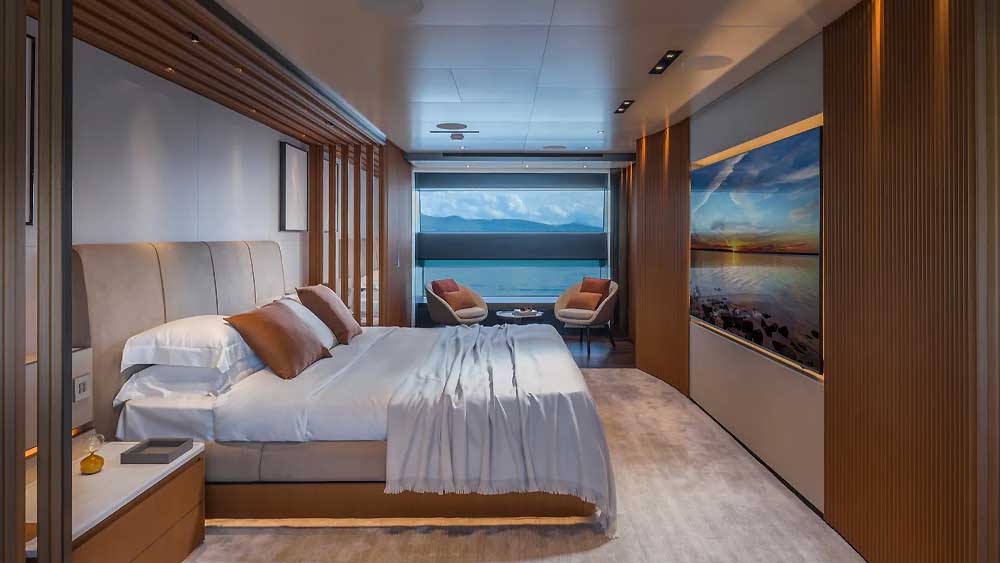
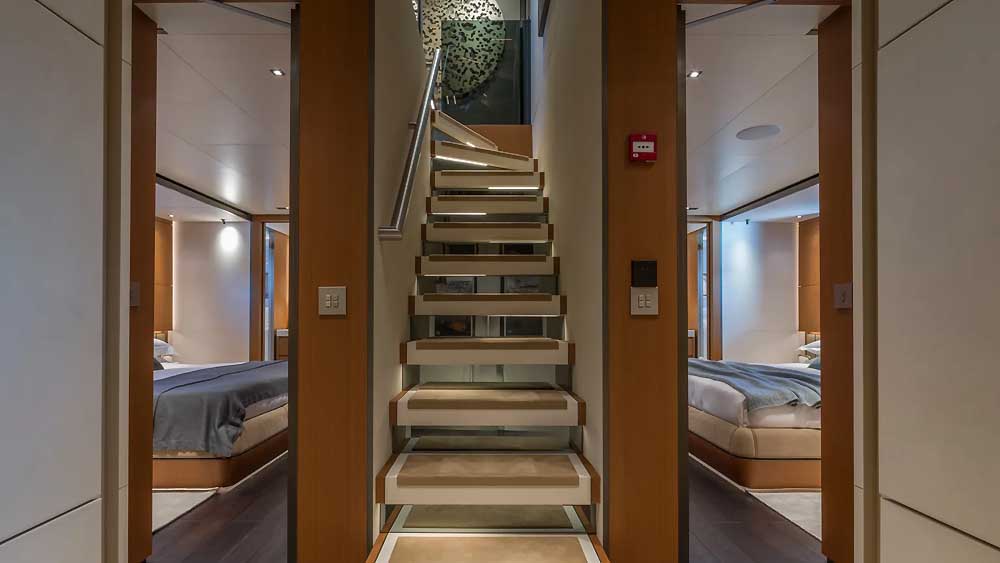
One of the principal departures from traditional large fast yachts lies in the organisation of the accommodation. The FAST50 is arranged across three full decks and adopts a wide-body configuration for the owner’s suite.
The search for additional volume is therefore addressed through the architecture of the platform rather than simply by increasing exterior dimensions. The shipyard also moved ventilation ducts outside the hull structure, creating additional usable volume in the main saloon.
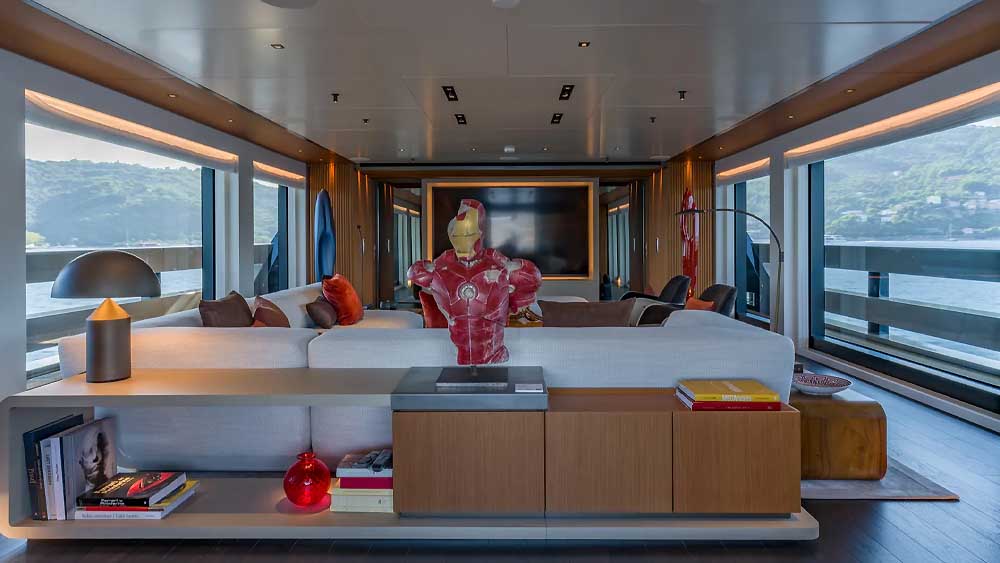
Large floor-to-ceiling glazed surfaces opening on three sides of both the main and upper decks follow the same principle, creating a more direct relationship between interior and exterior areas.
The stern becomes part of life on board
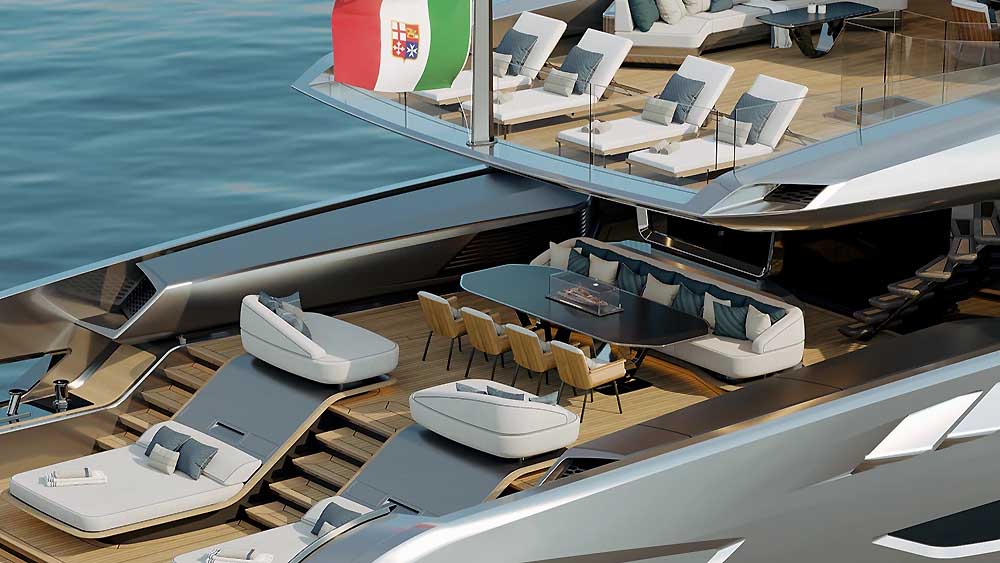
At the stern, the FAST50 develops a two-level beach area. Folding bulwarks increase the available surface at anchor, while the platform is designed to remain usable when the yacht is under way.
A retractable transformer replaces a conventional passerelle. Further forward, the aft garage uses a floodable launching system and can accommodate a tender of up to 7 metres. A second garage is located in the bow.
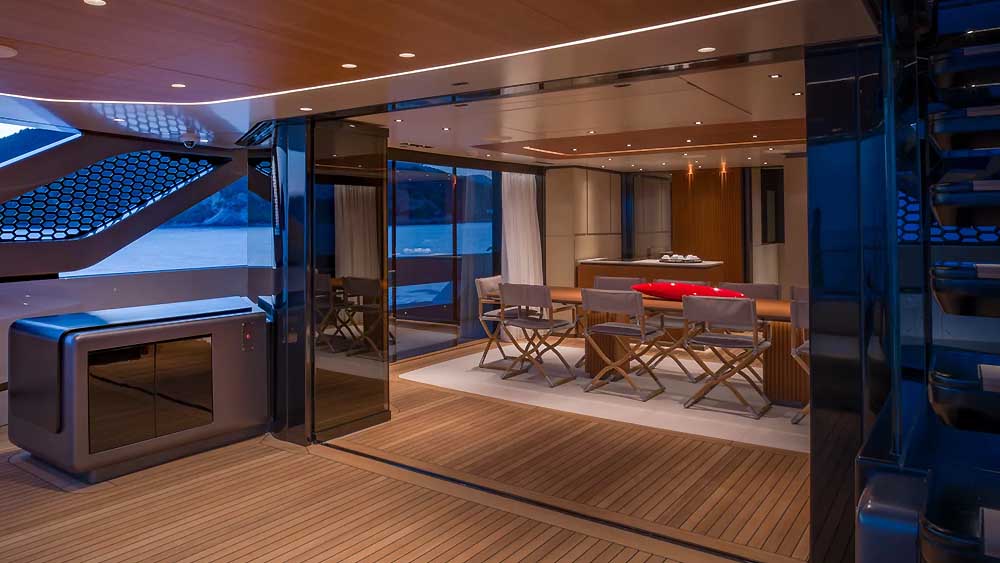
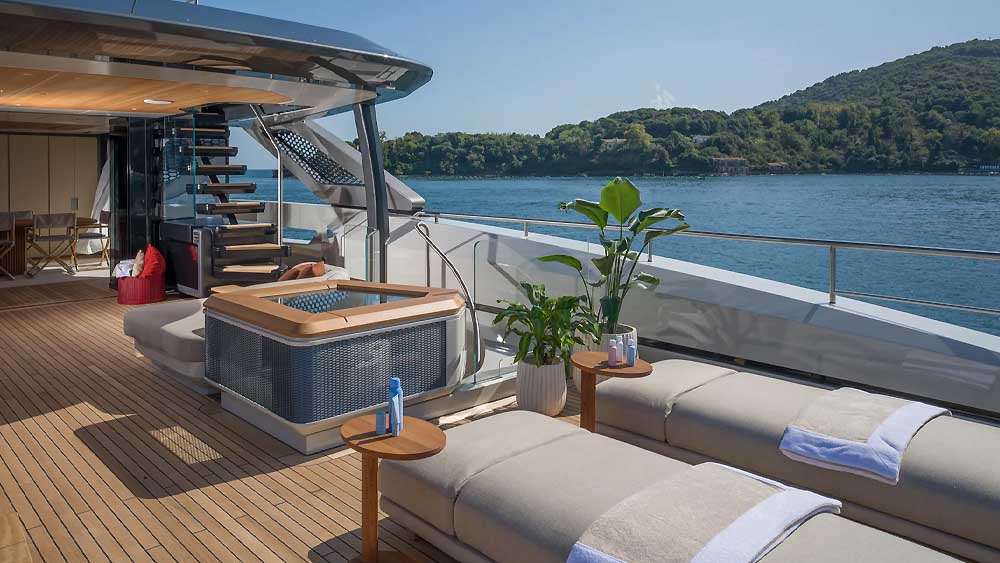
The upper deck adds lounge and sunbathing areas, together with a jacuzzi positioned forward. Behind the wheelhouse, a veranda opening on three sides provides a panoramic dining area.
Interiors influenced by performance requirements
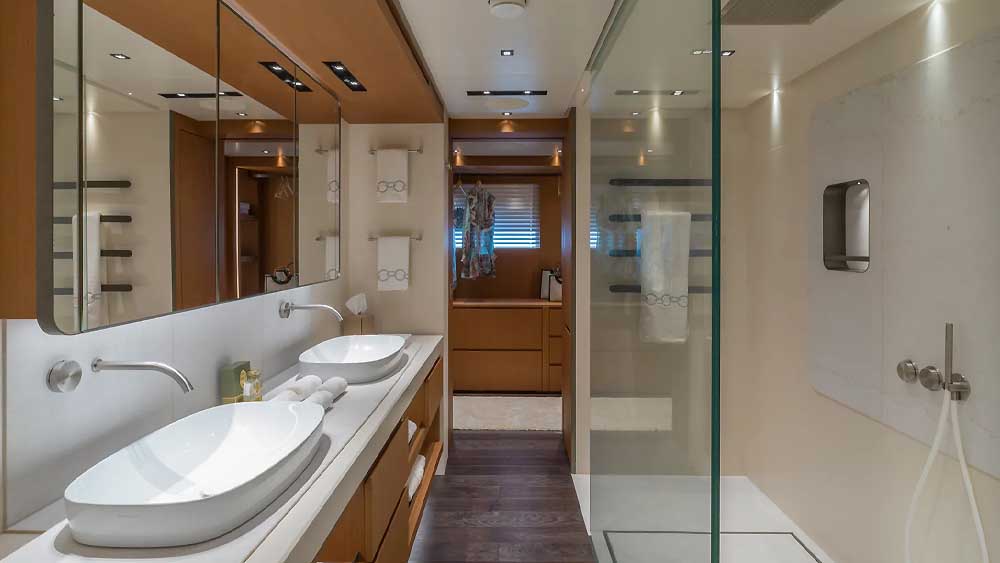
Teak is one of the dominant materials inside, used both as smooth surfaces and in slatted finishes. Lacquered surfaces and burnt oak provide additional texture.
Material choices, however, were not driven by aesthetics alone. The need to control weight in order to achieve the project’s performance targets directly influenced the more selective use of heavier finishes.
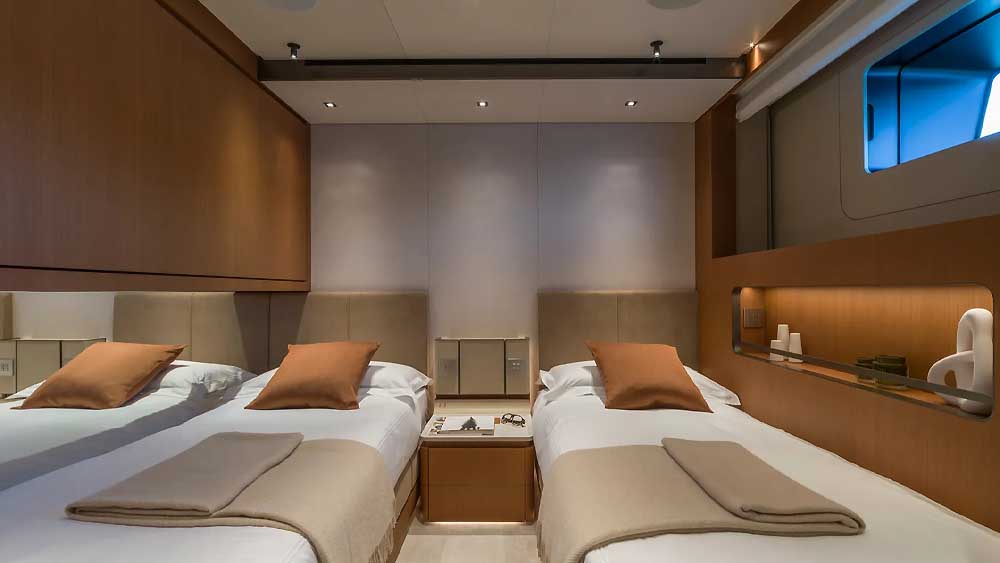
Guest accommodation comprises four cabins on the lower deck, two VIPs and two twins, all with en suite bathrooms. The galley is positioned amidships on the main deck and was conceived as a convivial area that the owner could use personally with family and guests.
A fast yacht that changes the meaning of the category
The most interesting question raised by the FAST50 is not whether speed or comfort takes priority. The project instead attempts to move beyond that opposition.
Four engines, a stated 30-knot maximum speed and a performance-oriented hull coexist with almost 500 GT, three decks, a wide-body owner’s suite and exterior spaces developed around access to the sea.
This is perhaps what most clearly distinguishes the new Baglietto. It is not simply a search for outright speed, but an attempt to preserve the character of a fast yacht within a platform shaped around the living expectations of a contemporary superyacht.
__
Baglietto FAST50, official model page
© MED Yachting Editorial Team
Baglietto FAST50, speed and volume reshape the fast yacht
__
The information in this article has been sourced from and adapted from official sources and/or press releases, in accordance with our editorial code of ethics.


subscribe free of charge to our WhatsApp channel : scan or click the QR code



MAGAZINE
YACHTS
LIFESTYLE
EVENTS
Partnership
Disclaimer and publishing
Privacy and Cookies (GDPR)
media@med-yachting.com

Euroblu International
MED digital publishing
Via Giosué Carducci, 10
00187 Roma IT
PI 14592991005
GoogleMap
© 2019, MED-YACHTING & LIFESTYLE MAGAZINE All rights reserved.