

- MEDITERRANEAN YACHTING MAGAZINE
Back to previous page Language Italian Spanish
New Range Rover Electric, silence becomes part of the journey
Range Rover becomes fully electric without sacrificing comfort, off-road capability or long-distance travel, introducing a new expression of refinement
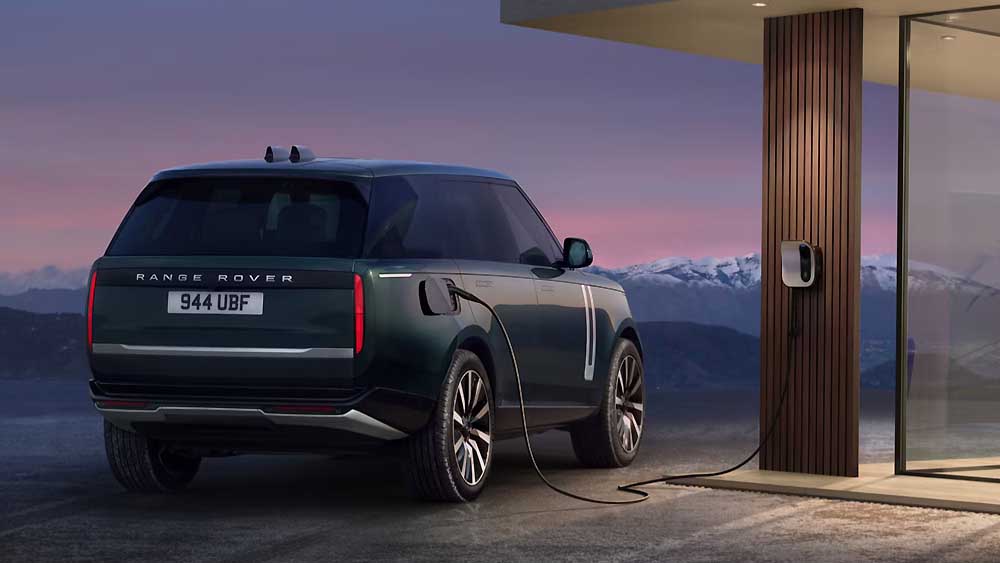
The new Range Rover Electric brings fully electric driving to the British SUV with up to 600 km of range, 800 V architecture and genuine Range Rover capability
The New Range Rover Electric is not intended to change the character of Range Rover. Instead, it transforms one of the qualities that has always defined it: the sense of isolation from the outside world. With the combustion engine removed, silence is no longer simply the result of sound insulation and build quality. It becomes an integral part of the powertrain itself.
That is perhaps the most interesting way to understand the arrival of the first fully electric Range Rover. Rather than representing a break with the past, electric technology appears naturally suited to a vehicle that has always been built around comfort, effortless progress and the ability to cover long distances.
A Range Rover that sounds different
Range Rover describes it as its quietest vehicle yet. The natural silence of electric propulsion is combined with advanced drivetrain isolation, an acoustic laminated windscreen and active noise cancellation designed to create quieter areas for each passenger.
Sound therefore takes on a different role. Without a conventional engine, the acoustic character of the cabin is shaped by materials, insulation and electronic management, while the external warning sounds required for an electric vehicle also become part of the overall experience.
600 kilometres change the perspective of a journey
One of the headline figures is an electric driving range of up to 600 km, together with an estimated real-world range of approximately 535 km. As with every electric vehicle, actual range can vary according to temperature, driving style, route, load, wheel choice, accessories and battery condition.
These figures move Range Rover Electric beyond the logic that surrounded the first generation of large electric SUVs. The journey does not necessarily have to be organised around charging stops; instead, travelling itself can once again remain at the centre of the experience.
800 V architecture shortens charging stops
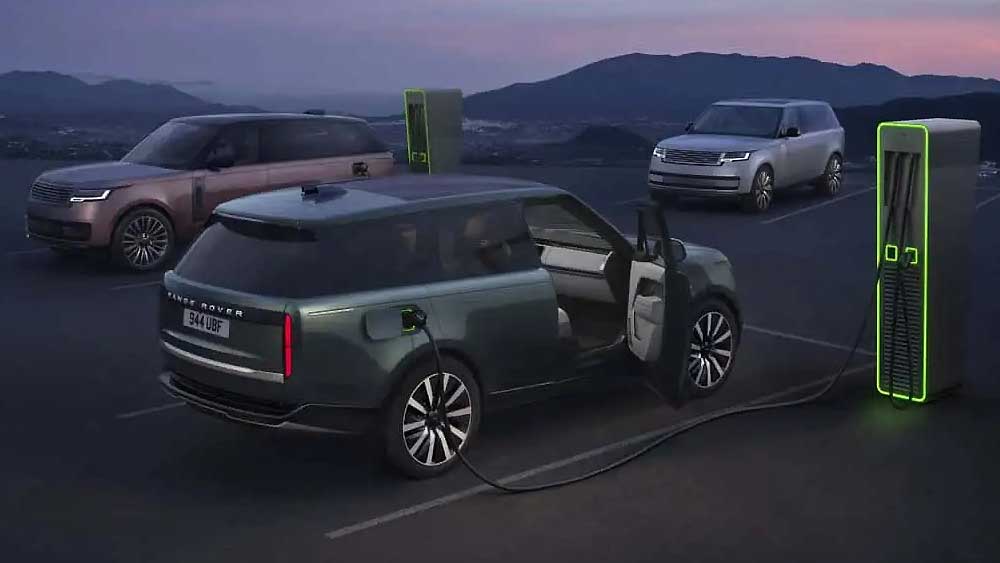
Charging management is therefore an important part of the project. The 800 V electrical architecture allows Range Rover Electric to use DC fast chargers delivering up to 350 kW.
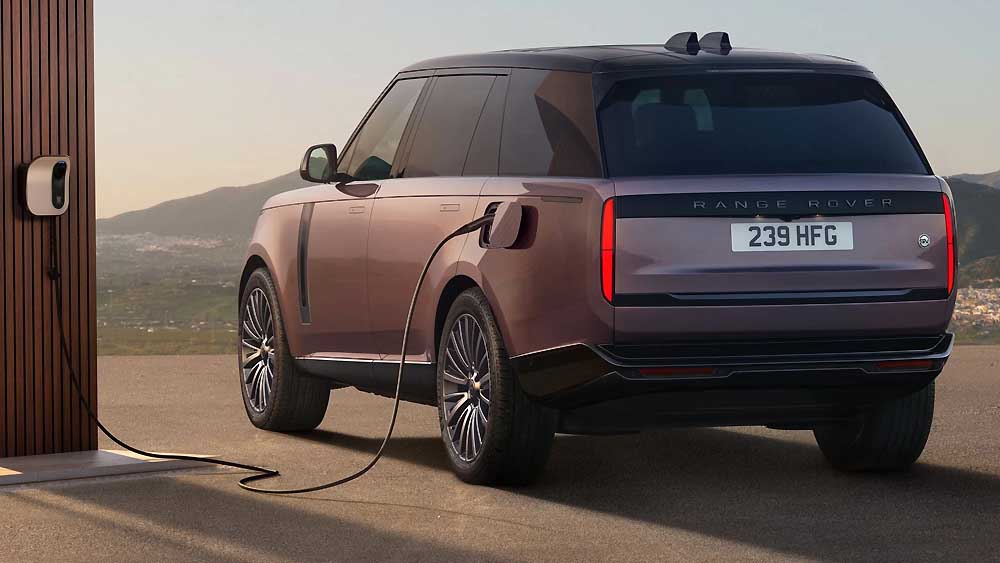
Range Rover quotes a 10-to-80% recharge time of around 22 minutes under the specified conditions and the ability to add up to 220 km of range in 10 minutes. At home, a 22 kW AC charger can provide a full charge in under seven hours, while a 7 kW AC installation requires around 19 hours.
These are not simply battery technology figures. For a vehicle intended to cross countries and cover substantial distances, reducing the time required to recover usable range directly affects how a journey can be planned.
Two electric motors developed in-house
Range Rover Electric uses two 260 kW electric drive units, designed and manufactured in-house. The system delivers 850 Nm of torque, with the immediate response associated with electric propulsion.
Intelligent torque management can make adjustments in five milliseconds, with Range Rover claiming response times up to one hundred times faster than previous conventional systems.
This is where electrification becomes about more than acceleration. The ability to meter torque extremely quickly can also be useful on low-grip surfaces and off road, where control and precision may matter more than outright power.
Electric, but still designed to leave the road behind
A fully electric Range Rover would make little sense if electrification compromised the capabilities that helped define the vehicle in the first place.
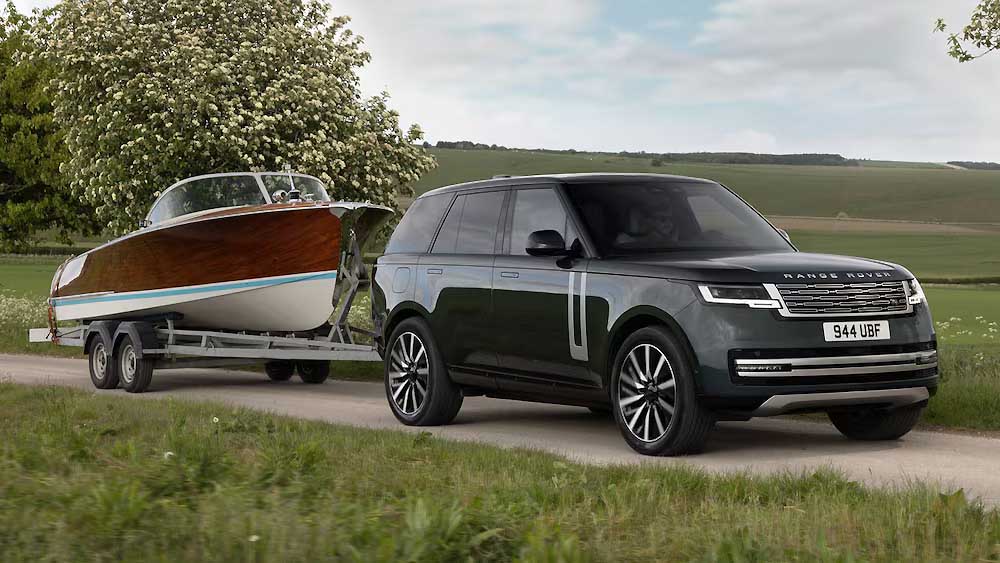
The new Electric retains a maximum wading depth of 900 mm and can tow up to 2,500 kg. The Terrain Response system also works with one-pedal driving, allowing the vehicle to slow to a complete stop on difficult terrain without repeated use of the brake pedal.
Range Rover naturally points out that off-road use, towing and demanding long-distance driving can have a significant effect on electric range, an increasingly relevant consideration when all available energy comes from the battery.
344 cells arranged across two levels
The battery pack contains 344 nickel-manganese-cobalt cells arranged in an innovative double-stack configuration. The aim is to use the available space efficiently while maintaining high power density.
A newly designed flat underbody protects the battery pack when the vehicle encounters obstacles or difficult terrain, while sophisticated cooling systems help maintain appropriate operating conditions.
Thermal management also includes ThermAssist, which Range Rover says can reduce heating energy consumption by up to 40%, helping preserve range and battery charge in changing weather conditions.
The design does not need to announce that it is electric
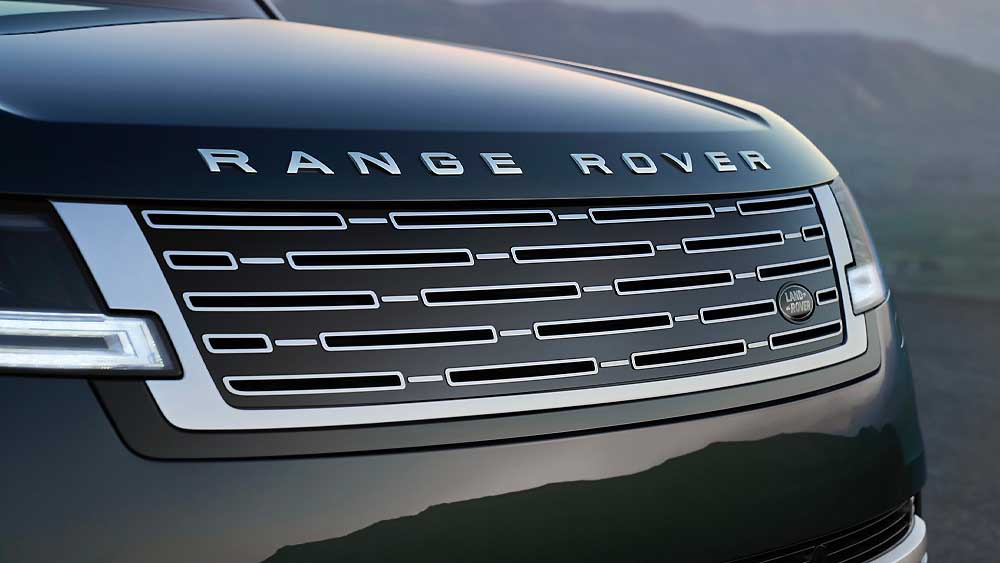
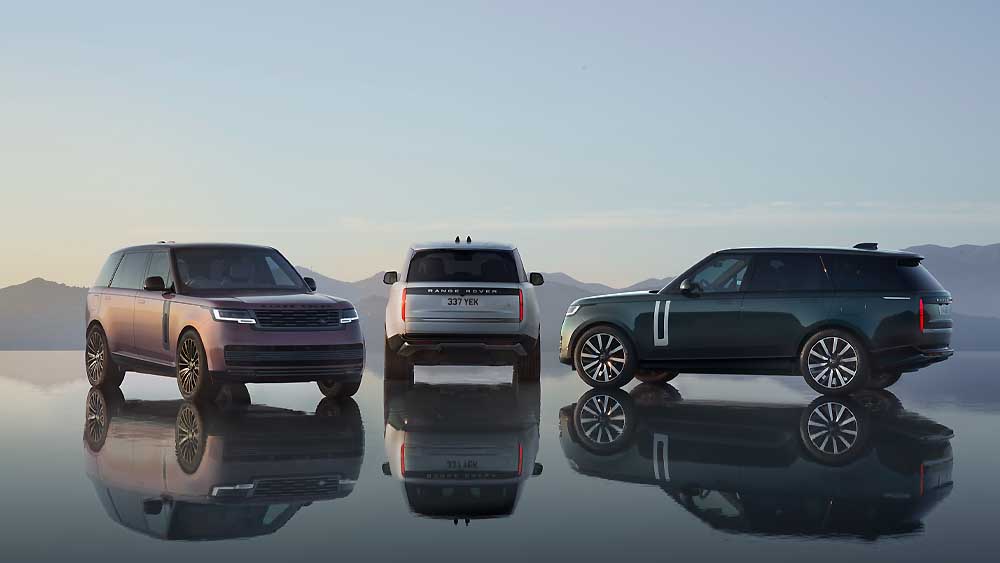
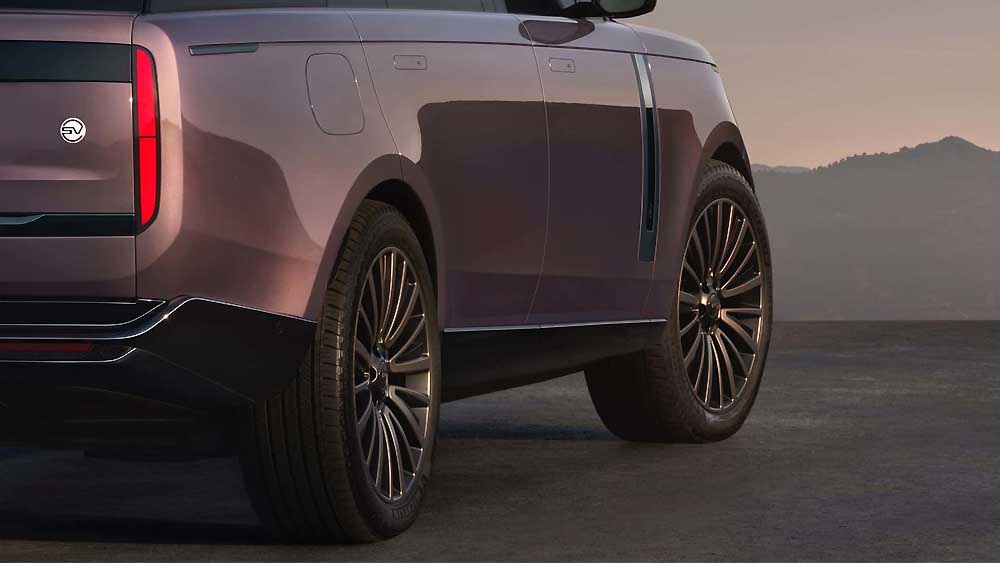
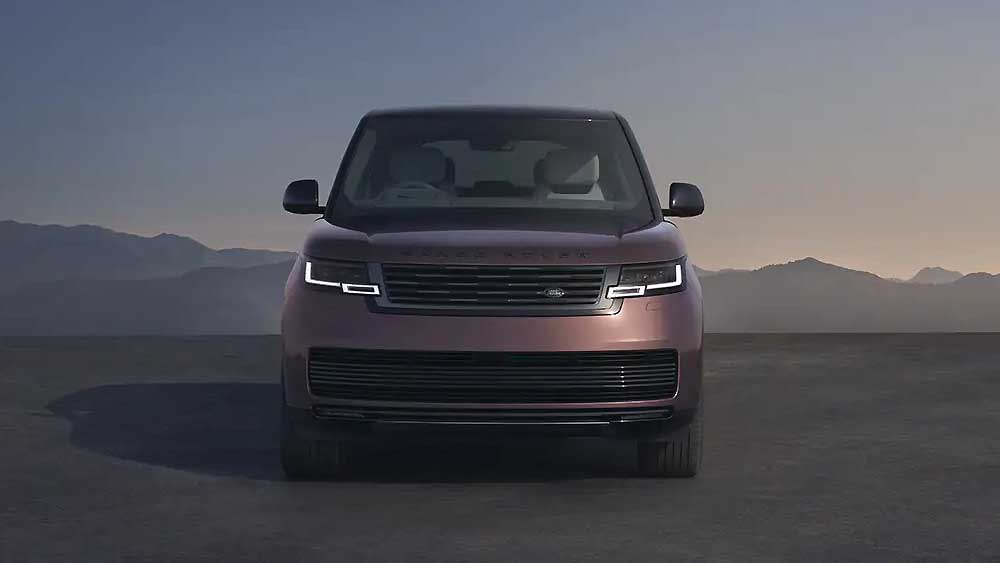
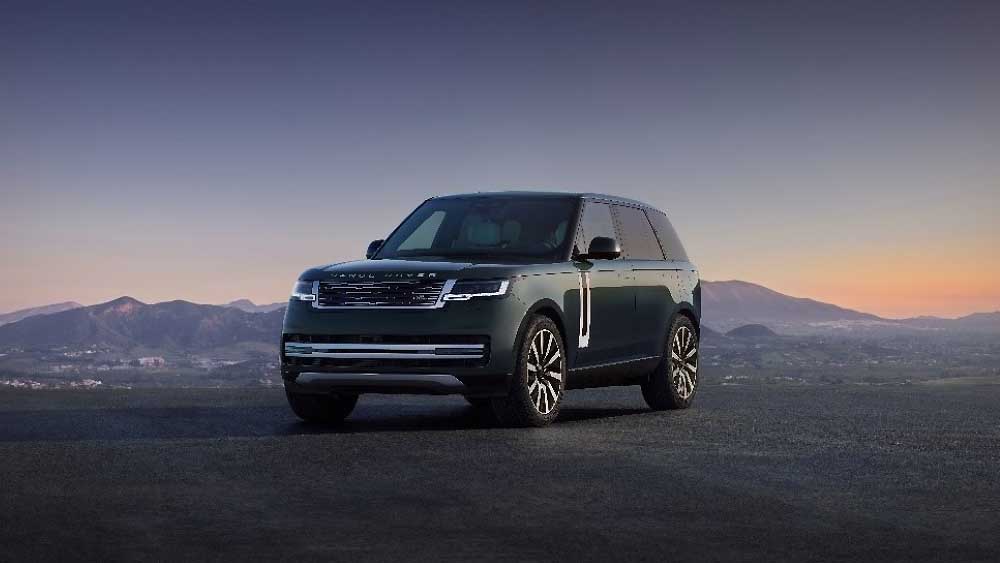
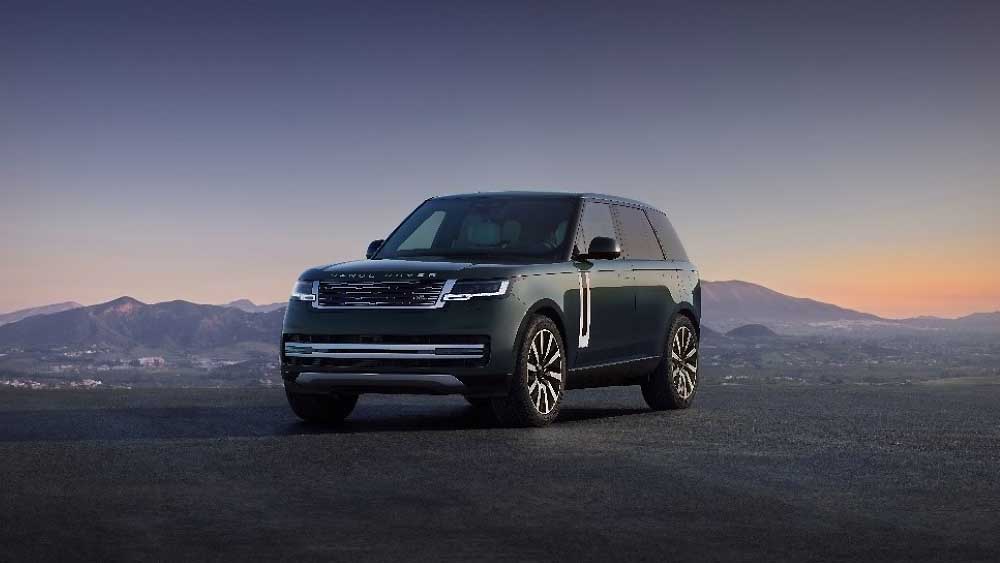
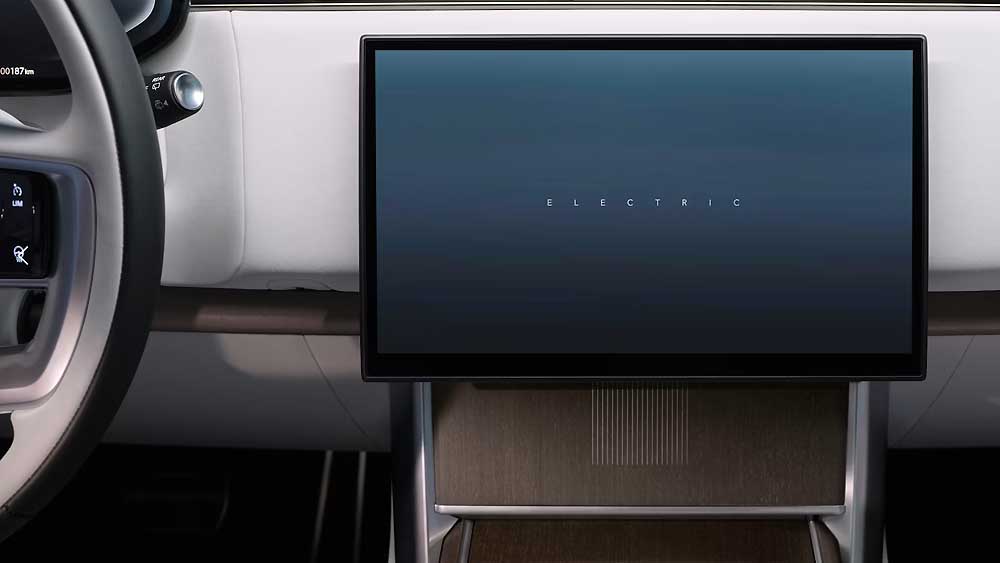
The most significant transformation is hidden beneath the bodywork. Visually, Range Rover Electric continues the current generation’s approach of clean surfaces, restrained detailing and carefully controlled proportions.
That decision is important. There is no need to turn electrification into a visual statement or radically alter the vehicle simply to demonstrate that different technology lies underneath. Range Rover Electric remains immediately recognisable as a Range Rover.
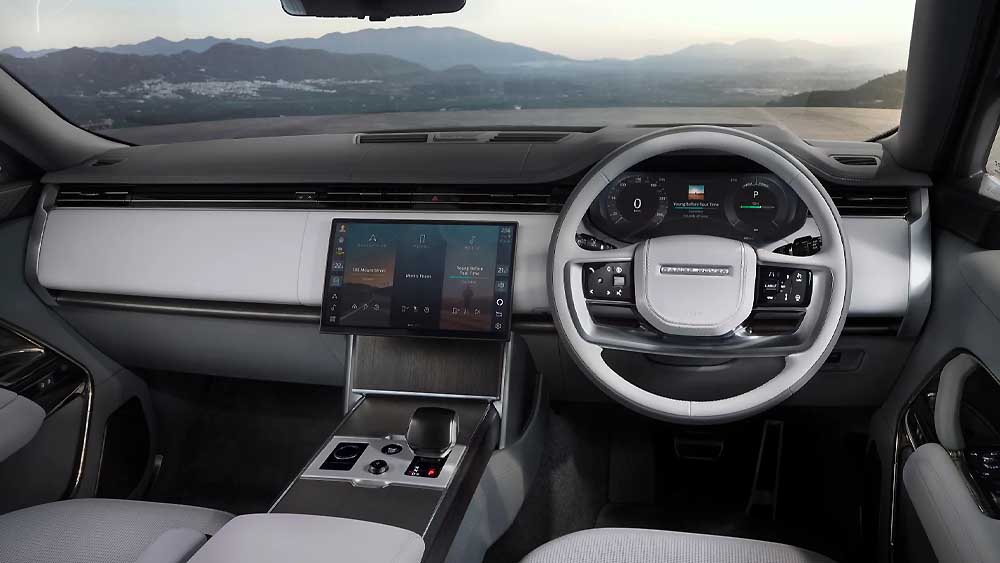
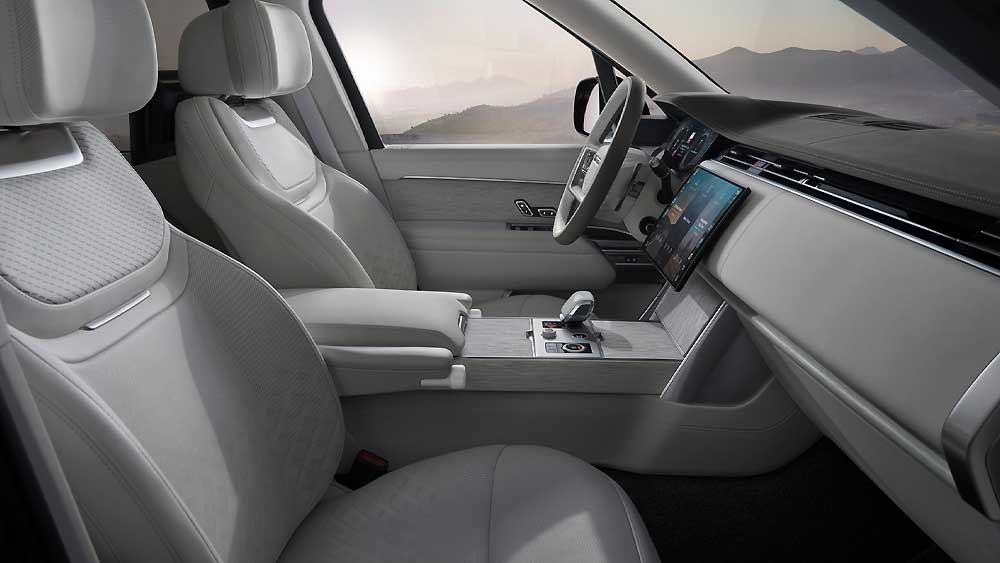
Inside, technology is similarly integrated into an environment focused on materials, comfort and wellbeing. Features include Cabin Air Purification Pro, cabin CO₂ management and alternative materials including Ultrafabrics and Kvadrat on selected specifications.
Electrification as an evolution of refinement
It may be in the idea of refinement that Range Rover Electric finds its most natural place. An electric motor delivers immediate torque, virtually no vibration and exceptionally quiet operation, characteristics that align closely with a vehicle philosophy that has always sought to isolate passengers from road imperfections and external noise.
Technology increasingly moves into the background as well. The Range Rover app can manage home charging and locate available public chargers, while Digital Twin technology supports remote monitoring of battery health. The traction battery is covered for eight years or 160,000 km, whichever comes first.
The new Range Rover Electric therefore introduces a major technological shift without trying to rewrite what Range Rover represents. The combustion engine disappears, but the journey, comfort, ability to cross very different landscapes and that characteristic sense of separation from the outside world remain.
With electric power, that separation simply becomes quieter.
__
Range Rover
© MED Yachting Editorial Team
New Range Rover Electric, silence becomes part of the journey
__
The information in this article has been sourced from and adapted from official sources and/or press releases, in accordance with our editorial code of ethics.





subscribe free of charge to our WhatsApp channel : scan or click the QR code



MAGAZINE
YACHTS
LIFESTYLE
EVENTS
Partnership
Disclaimer and publishing
Privacy and Cookies (GDPR)
media@med-yachting.com

Euroblu International
MED digital publishing
Via Giosué Carducci, 10
00187 Roma IT
PI 14592991005
GoogleMap
© 2019, MED-YACHTING & LIFESTYLE MAGAZINE All rights reserved.